


Ovarian Cancer Niche
Context of Use or Disease: High-grade serous ovarian cancer tumour microenvironment
DOI: Nature Communications 2026, Cancer Research 2024, Nature Communications 2025, STAR Protocols 2022, iScience 2021, iScience 2021
Platform: 3D multi-cellular cultures (tri, tetra, or penta)
Description: These multi-cellular cultures can be comprised of primary human adipocytes, mesothelial cells, fibroblasts, monocytes, high-grade serous ovarian cancer cell lines and chimeric antigen receptor (CAR)-T cells. Primary adipocytes, mesothelial cells and fibroblasts are extracted from consented patient omental tissues. Human monocytes are isolated from leukocyte cones. Tri-cultures contain malignant cells, fibroblasts and adipocytes; tetracultures also contain mesothelial cells. For the pentaculture model, adipocyte gels are anchored to the bottom of the well of a 96-well plate using a layer of activated collagen. Fibroblasts are plated on the adipocyte gels, followed after 2 hours by mesothelial cells. After 24 hours, malignant cells and CD14+ monocytes are added to the model. After another 24 hours, gels are transferred G164 culture medium in a 24-well plate and maintained for 7 to 21 days.
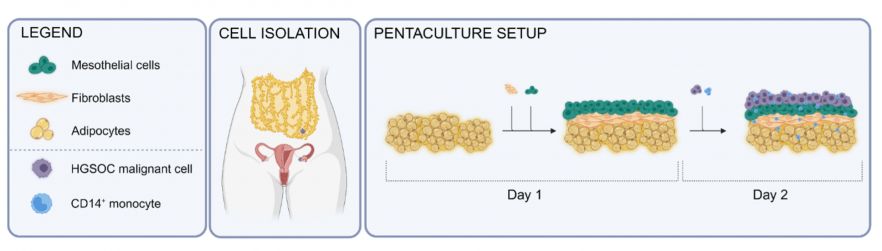
Fig. 1. Schematic illustrating pentaculture setup.
Characterisation & Validation: These models have been used to study malignant cell migration, regulation of ECM, control of macrophage polarisation and barriers to CAR-T cell activity. The differentiation and functions of these tumour microenvironments is largely determined by the genomic, transcriptomic and proteomic profile of the malignant cells used. Monocytes differentiate into macrophages without exogenous cytokines. Bulk RNA sequencing and deconvolution with single cell data from patient biopsies reveal that macrophage clusters within the pentacultures replicate those found in human HGSC metastases. Macrophage differentiation is determined by the malignant cells used in the cultures. Targeting of “do-not-eat-me” signals with anti-CD47 and anti-CD24 monoclonal antibodies demonstrates differential effects on macrophage activity and cancer cell viability, depending on the individual malignant cell line.
Ongoing Research: Mechanistic understanding of immunometabolism, introduction of primary malignant cells, enhancement of CAR-T cell activity
Research Team: Frances Balkwill, Beatrice Malacrida, Joash Joy, Panoraria Kotantaki, Eleni Maniati, Rachel Bryan-Ravenscroft
Lead Contact: Frances Balkwill
Last updated 28/04/2026