


Events
CPM Seminar Series - Dr Jakson Luk
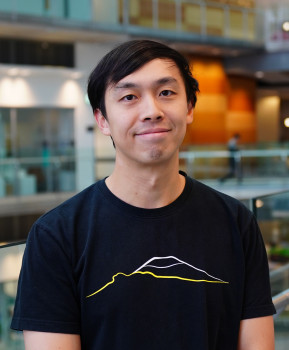
Jakson Luk
Date: 21 October 2026 Time: 15:00 - 16:00 
An autologous human iPSC-derived multicellular Alveolus-on-Chip reveals early pathological events of M. tuberculosis infection
Tuberculosis (TB) is contracted by inhalation of Mtb-containing aerosol droplets that infect the human alveolus. Mtb in the alveolus is phagocytosed by alveolar macrophages that act as the first line of defence that potentially define disease outcomes. TB is known to be a very slow manifesting infection, where the incubation period ranges from weeks to years prior to symptoms development and clinical diagnosis, leaving the host-Mtb interactions during the incubation period undocumented. Despite the development of non-human alternative model organisms to understand the early interactions between Mtb and the host, these models do not fully mirror human TB as Mtb is a human pathogen. New complex in vitro lung models have been developed to bridge this gap; however, these models face challenges of heterogenous cell sources, donor-to-donor variation and lack of histocompatibility. To address this, we combined cells derived from a single induced pluripotent stem cell (iPSC) source with AXLung-on-Chip system that mimics lung 3D mechanical stretching and air-liquid interface. This iPSC-derived Lung-on-Chip (iLoC) combines four alveolar cell types, including alveolar epithelial cells Type II and I, vascular endothelial cells, and macrophages derived from a single donor. Single-cell transcriptomic analysis revealed that the iLoC recapitulated cellular profiles of distal lung cells present in the human lung including a range of AT2-to-AT1 cellular states and alveolar macrophages. We show that mechanical stretch plays a critical role in barrier integrity maintenance and differentially regulates tissue immunity in alveolar epithelium, endothelium and macrophages. Applying iLoC as a model of TB, we showed that both infected macrophages and epithelial cells were less permissive to bacterial replication as compared to conventional in vitro models, while macrophage necrotic cores induced by stochastically bacterial replication are formed. By incorporating genetically engineered ATG14KO iPSDM into iLoC, we observed cell death predominately in macrophages, elevated upon ATG14 deficiency and infection, and declined in epithelial barrier integrity. To further decipher the host reprogramming elicited during early TB, we performed single-cell transcriptomic analysis on Mtb-infected iLoC. We observed a global decline followed by up-regulation of immune pathways in alveolar epithelium and macrophages in an endothelium-dependent manner. Cell-cell interaction analysis demonstrated a predominant epithelium-macrophage interaction regulated by cyclical mechanical stretching. Altogether, we report the first of its kind, a genetically tractable alveolar model of TB in human distal lungs as well as the significance of cellular complexity in recapitulating early host-Mtb interactions.
Short Bio
Jakson Luk received his doctoral training in the laboratory of Jost Enninga at the Institut Pasteur, where he developed innovative approaches to study bacterial heterogeneity in Salmonella enterica. He then pursued postdoctoral training with Max Gutierrez at the Francis Crick Institute, focusing on advanced molecular and cellular strategies to dissect host–pathogen interactions in tuberculosis. More recently, Jakson has established an autologous alveolus-on-chip platform derived from human induced pluripotent stem cells to model respiratory infections and non-communicable lung diseases, bridging infection biology with human-relevant disease modelling.
| Location: | David Sizer Lecture Theatre, Mile End campus | |
| Contact: | Julien Gautrot | |
| Email: | j.gautrot@qmul.ac.uk |
Updated by: Elena Moreira