


Step-by-Step Guide to the COaCT Application Process
Applications for September 2026 have now closed. Applications for September 2027 will open in November 2026
Please register and apply via the QMUL admissions portal. Details of what to include in this online area are explained below.
Qualifications
Include details of your qualifications achieved so far, including module results, final degree results or predicted degree results.
Curriculum vitae (CV)
A 1 page cv, including
-
QMUL application number; please do not include your name in this file
-
Summary of education to date
-
Details of work and research experience
There is no need to include references, nor your address as these are included elsewhere in your application.
Research proposal
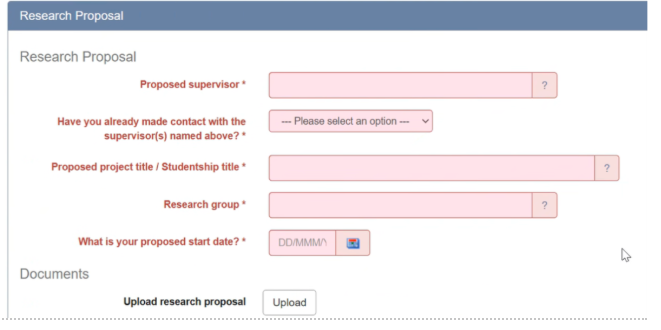
List the CDT coordinator ‘Prof Julia Shelton’ as Proposed Supervisor.
Add ‘CoaCT CDT training programme’ as Proposed project title.
Add ‘CoaCT CDT training programme’ as Research group.
Proposed start date September 2026.
Upload research proposal:
List up to five projects you are most interested in, ranked from the list below. Please include a brief justification (100 words) of each of the projects that you have selected. Please indicate if you are prepared to be considered for other projects as well. Upload this as a document saved as:
'your application number list of projects' clicking on Upload File button
The list of projects to select from are:
-
Developing liver-on-a-chip platforms to assess beam radiation induced injury
-
Developing an advanced Glomerulus-on-a-chip model to study inflammation in the kidney
-
3D printed chips to integrate cerebral organoids in electrode array systems and for neurotoxicity testing
-
Organ-on-a-chip model to probe key bottlenecks in tumour progression
-
Development of brain tumour margin-on-a-chip model for treatment of tumour recurrence
-
Development of a dual-use skin-on-a-chip model for assessment of oncology drug toxicity
-
3D printing complex microenvironments for next generation musculoskeletal organ-chips
-
Development of spinal cord injury and repair-on-a-chip model
-
Lung-on-a-chip model development for analysis of health effects of chemicals and pollutants in healthy and respiratory disease states
-
Coaxial printing for an artery-on-a-chip model
-
A digital twin for mechanics and mass transport of organ-on-a-chip technologies
-
Digital Twins of inflammatory dynamics in immunocompetant human skin equivalents
-
Development of electrochemical biosensors for mapping hormone release in an adrenal gland-on-a-chip
-
Development of high-throughput osteochondral models for screening osteoarthritis therapeutics
-
Advancing animal-free organ-on-a-chip with PeptiMatrix
-
Development of an adipose-cartilage-on-a-chip model to investigate the role of obesity in osteoarthritis
-
Development of an immune-infiltrated adipose tissue-on-a-chip model for interactions between inflammation and dysfunction
-
Human vascularised tendon construct-on-a-chip model for the study of tendinopathy
-
Targeting inflammatory pathways in asthma utilising an alveolar lung-on-a-chip model
-
Creating A Skin-on-a-Chip Model To Evaluate Host-Microbiome Interaction In Feminine Care
Personal Statement
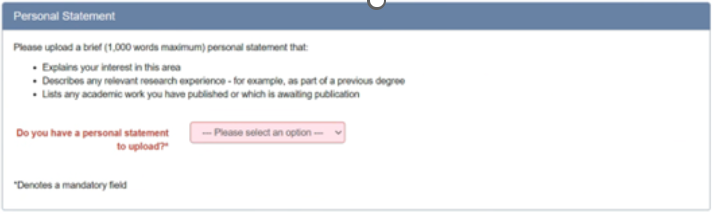
Please only include your motivation for studying a PhD project within the Centre for Doctoral Training in Next Generation Organ on a Chip Technologies (COaCT) Programme at QMUL and your relevant research experience.
Two References
At least one reference must be from an academic referee, who can comment on the standard of your academic work and your suitability for post-graduate academic study.